

How to Start a Coaching Business Using Skills You Already Have
You don’t have to start from zero to start a coaching business.
In fact, your career may have already given you the experience, knowledge, and problem-solving skills your future clients need. You’ve spent years learning how to manage projects, communicate clearly, lead people, solve problems, organize information, or make difficult decisions.
Those skills are valuable.
You can build a coaching business around what you already know, without quitting your job tomorrow, creating a perfect website, or waiting until you feel completely ready.
Your experience isn’t holding you back. It may be the foundation you’ve been looking for.
Start with the skills people already trust you for
The first step is to look at your experience differently.
You may not think of yourself as an expert because your skills feel normal to you. But the things you do naturally may be difficult, confusing, or overwhelming for someone else.
Ask yourself:
What do coworkers regularly ask me to explain?
What problems have I solved repeatedly?
What results have I helped create?
What responsibilities have I handled successfully?
What advice do people seek from me?
What have I learned through years of work and real-life experience?
Make a simple list of your skills. Include both technical abilities and personal strengths. For example, you may have experience with:
Project management
Team leadership
Career development
Sales or client relationships
Financial planning
Communication
Organization and time management
Hiring and training
Public speaking
Process improvement
Building confidence
Navigating career changes
Now turn each skill into a problem-and-outcome statement.
Instead of saying:
“I’m good at organization.”
Try:
“I help overwhelmed professionals create a practical system for managing their work and priori ties.”
Instead of:
“I have leadership experience.”
Try:
“I help new managers lead their teams with more confidence and clarity.”
This shift matters. People don’t usually pay for information alone. They pay for help reaching a meaningful outcome.
Choose a niche that gives people clarity
One of the most common challenges when you start a coaching business is trying to help everyone.
You may want to coach women, professionals, entrepreneurs, parents, leaders, career changers, and people who feel stuck. All at once.
That’s understandable. You have a lot to offer.
But a broad message makes it harder for the right person to recognize that your coaching is for them.
A clear niche usually answers three questions:
Who do you help?
What problem do you help them solve?
What result can they work toward?
For example:
I help women in finance transition into leadership roles.
I help busy professionals create sustainable productivity systems.
I help new coaches turn their experience into a simple online offer.
I help mid-career women create a plan for moving from employment into entrepreneurship.
Your niche doesn’t have to define your entire future. It’s simply a place to begin.
You can refine it as you learn more about your audience and your strengths. Starting with one clear group makes it easier to create useful content, have better conversations, and explain the value of your coaching.
If you want support mapping your strengths, goals, and potential niche, Clarity Coaching & Business Mentorship offers a collaborative way to create that foundation.

Validate demand before you build everything
You don’t need a full brand, elaborate website, or months of content before you find out whether people want your help.
Start by talking to potential clients.
Choose three to five people who fit the type of client you want to serve. These could be former coworkers, professional connections, friends of friends, or people in an online community.
Ask open questions such as:
What’s the biggest challenge you’re facing with this right now?
What have you already tried?
What would become easier if this problem were solved?
What kind of support would be most useful?
Have you ever paid for help with this before?
Listen carefully. Pay attention to the words they use when describing their problem. Those words can help you shape your messaging and offer.
You’re looking for patterns:
Are several people experiencing the same challenge?
Do they already want a solution?
Are they actively searching for advice, resources, or support?
Would they consider paying for help?
This is not about convincing people to want your coaching. It’s about learning whether there’s a real need and whether your skills match it.
You can also test your idea with a simple post or message:
I’m exploring a coaching offer for [specific audience] who want help with [specific problem]. I’m speaking with a few people to better understand what support would be most useful. Would you be open to sharing your experience?
Real conversations will give you more insight than endless planning.
Create one simple first offer
Your first offer doesn’t need to be complicated.
In fact, a simple offer is often easier to explain, sell, and deliver, especially when you’re learning how to start an online business while working full time.
Start with one focused coaching package.
Include:
A specific outcome
A clear timeframe
The number of coaching sessions
Any resources or support included
The people your offer is designed for
For example:
A six-week coaching program for professionals who want to create a practical career transition plan and take their first steps toward entrepreneurship.
Or:
A four-week productivity coaching package for working women who want to organize their schedule and make consistent progress on a business idea.
You may offer weekly 60-minute sessions, a short intake form, simple action steps, and limited email support between sessions.
That’s enough to begin.
You don’t need ten packages, a membership, a course library, and a complex funnel on day one. Start with one service that helps one type of person solve one meaningful problem.
Then improve it based on real client feedback.
Price your coaching with care and confidence
Pricing can feel uncomfortable, especially when you’re using skills that have always felt like “just part of your job.”
But your coaching price should reflect more than the time spent on a call.
Consider:
The value of the outcome
Your professional experience
The amount of preparation and support involved
The transformation your client is working toward
The number of clients you can realistically serve
A package price is often easier for both you and your client than an open-ended hourly arrangement. It gives the client a clear path and helps you plan your time.
You may decide to begin with a founding-client rate for your first few clients. Keep it fair and sustainable. In exchange, ask for honest feedback and a testimonial if they’re happy with the experience.
A lower introductory price should be a deliberate starting point, not a sign that your work has little value.
Find your first clients through real relationships
You don’t need to become an aggressive salesperson to find your first coaching clients. Begin with people who already know your character and experience.
Make a list of:
Former colleagues
Professional contacts
Friends and family
Members of relevant communities
People who have previously asked for your advice
Send a personal message rather than a mass promotion.
You might say:
I’m beginning to offer coaching for [specific audience] who want help with [specific outcome]. I’m opening a few spaces for founding clients while I refine the program. If someone comes to mind, I’d be grateful if you shared my information with them.
You can also share practical content that demonstrates how you think. Offer a short tip, explain a common mistake, or share a simple framework related to your coaching area.
The goal is not to post constantly. It’s to help the right people understand what you do and how you can support them.
Your first client may come from a conversation, not a viral post.
Build your coaching business around your current life
If you plan to start a business while working full time, your schedule needs structure.
Decide in advance:
Which days you’ll coach
How many clients you can support
When you’ll handle preparation and follow-up
How much time you’ll spend marketing
Which hours remain protected for rest and family
You may begin with two or three clients and a few focused business hours each week. That’s enough to create momentum without turning your life into one long workday.
Also, review your employment agreement before you begin. Check for policies related to outside work, confidentiality, intellectual property, and conflicts of interest. Use your own time, devices, and resources for your business.
For additional support with managing your energy and schedule, explore the free Elevate Your Work day Mini Course or Time Management Mastery. Both are designed to help you create progress with out adding unnecessary pressure.
You may also find it helpful to explore the MLC Strategies blog for more guidance on building a business while employed, including How to Start a Business While Working Full Time (Without Burning Out) and The 9-to-5 to Entrepreneur Framework: 5 Steps to Fund Your Freedom Before You Quit.
Follow a simple 30-day starting plan
You don’t need to figure out your entire business today.
Use the next 30 days to create real movement:
Week 1: Identify your skills
Write down your experience, strengths, repeated results, and the problems people already ask you to solve.
Choose two or three possible coaching directions.
Week 2: Choose your audience
Select one group of people you understand and would genuinely enjoy supporting. Write a simple statement describing who you help and what outcome you support.
Week 3: Have conversations
Speak with three to five potential clients. Ask about their challenges, goals, and past attempts to solve the problem.
Use what you learn to refine your message.
Week 4: Invite your first clients
Create one simple coaching package. Share it with your network and invite a few people to have a conversation.
Your goal is not perfection. It’s real-world proof.
A paying client, a useful conversation, or a clear response can teach you more than another month of adjusting your logo.
Start with what you know, then grow from there
When you start a coaching business using skills you already have, you’re not taking a shortcut.
You’re building from experience.
Your career has given you insight, credibility, perspective, and skills that can help someone else move forward. You don’t have to abandon your stability to begin. You can use your current job to fund your freedom, test your ideas, and build confidence gradually.
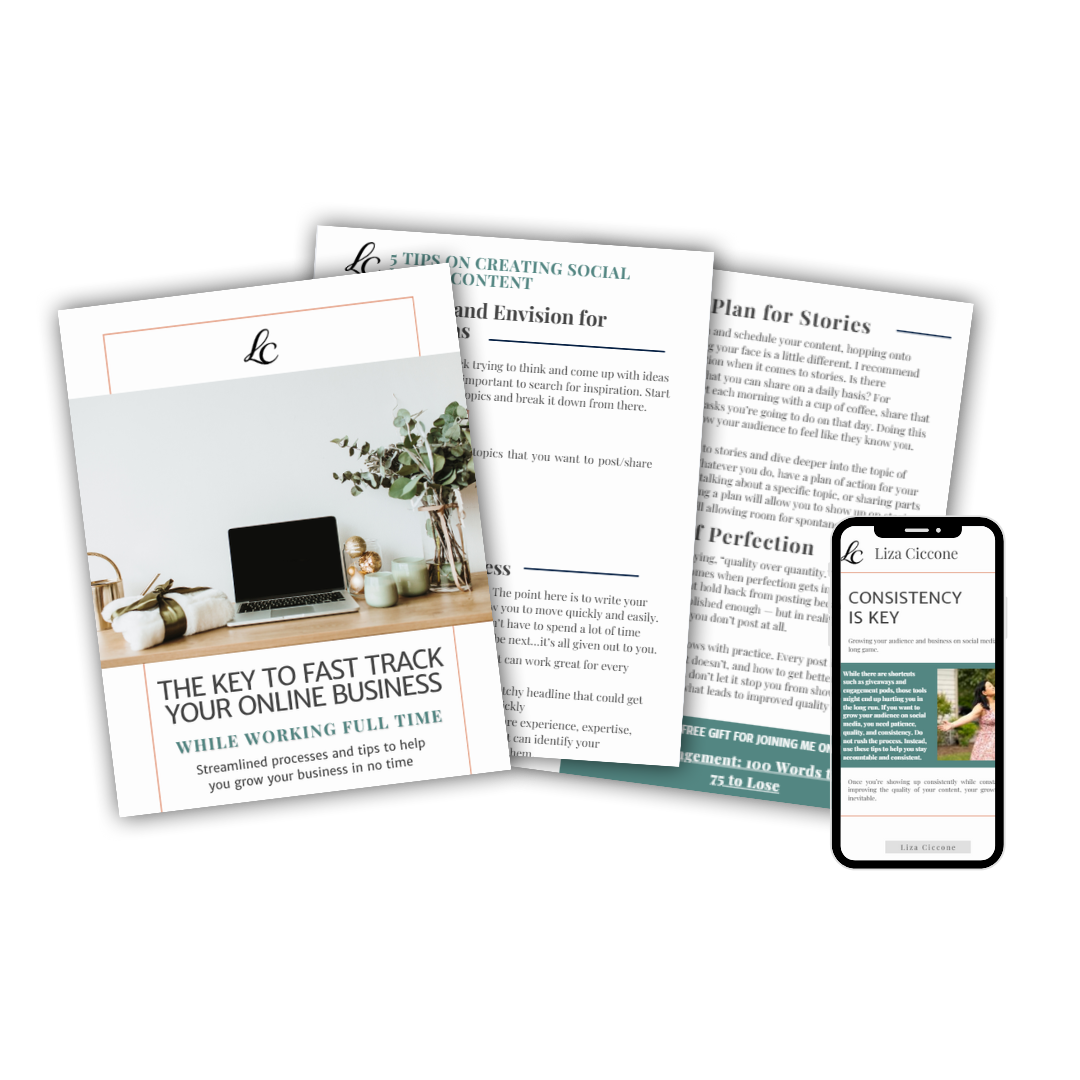
As your offer becomes clearer, you may choose to expand into group coaching, digital resources, or educational programs. The Key to Fast Track Your Online Business can help you create a more focused path for launching and growing online.
And when you’re ready to think about sustainable income, fulfillment, and the bigger picture, Pathway to Prosperity offers a roadmap for building a business around the life you want.
For now, choose one skill, one audience, and one problem.
Then take one practical step this week.
You don’t have to feel ready to begin. You only need enough clarity to move forward.